Something strange is happening when you book flights. Two people sitting side by side, searching for the exact same flight at the exact same time, are seeing completely different prices on their screens. This is not a glitch or a coincidence. Airlines are using artificial intelligence to charge each customer a unique price based on how much they think that person is willing to pay.
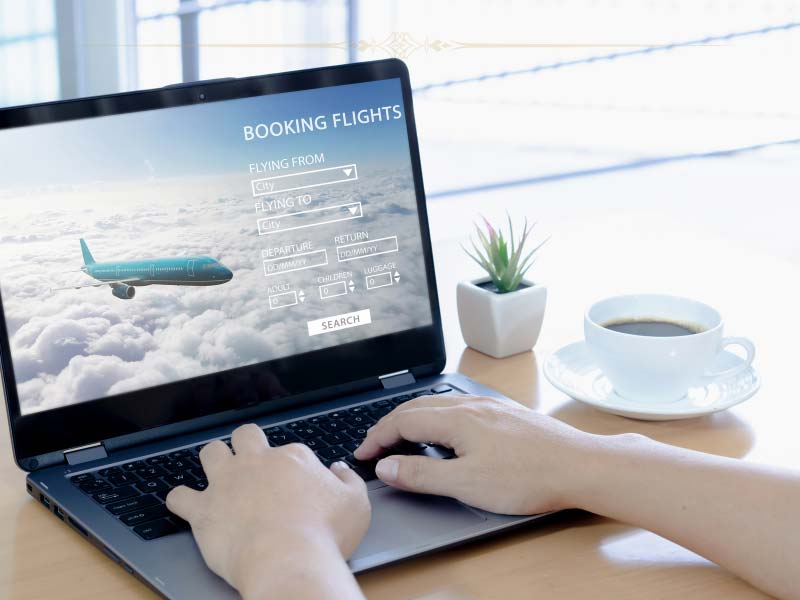
Major airlines have quietly rolled out sophisticated computer systems that dig through mountains of personal data to figure out your spending habits. These systems know where you live, what you buy, how often you fly, and whether you typically book expensive tickets or hunt for bargains. Then they use all that information to decide what price to show you.
This practice, called personalized pricing, has been spreading across American businesses for years. Online retailers do it. Streaming services do it. Even ride-sharing apps do it. Now airlines are going all-in on the technology, and it is changing the way millions of Americans pay for travel.
How Airlines Decide What You Should Pay
The pricing system works like this. The moment you start searching for a flight, the airline’s computer starts building a profile about you. It tracks which flights you look at, how many times you search for the same route, and whether you actually buy tickets or just keep browsing.
But the data collection goes much deeper than that. Airlines pull information from your past bookings to see if you usually fly economy or upgrade to business class. They look at whether you buy tickets months in advance or wait until the last minute. They check if you typically add extras like seat selection or extra baggage.
Your location matters too, and not just for figuring out which airport you will use. Airlines can see what neighborhood you are searching from, and they use that information to guess your income level. Someone searching from a wealthy suburb might see higher prices than someone searching from a working-class neighborhood, even though they want the same seat on the same plane.
The system also watches how you behave online. If you keep coming back to look at the same flight over and over, the computer interprets that as desperation. It figures you really need that specific flight, so it might raise the price. The algorithm assumes you will pay more because you do not have other options.
Credit card companies and payment processors share data with airlines too. Every time you swipe your card, that transaction creates a record of your spending patterns. Airlines can access this information to build an even more detailed picture of your financial habits and how much you typically spend on travel.
Why This Is Different From Regular Airline Pricing
Airlines have always changed their prices based on things like how far in advance you book or how full the plane is. Those old pricing systems were predictable. Everyone understood that booking early usually meant paying less, and flights during holidays cost more than flights during regular weeks.
The new system is completely different. It does not just look at when you book or how many seats are left. It looks at you personally and tries to figure out the maximum amount you will pay. Your coworker might get a great deal on a flight while you pay double, even though you searched at the exact same moment.
This change happened because airlines now have access to massive amounts of personal data that did not exist twenty years ago. Back then, most people paid with cash or wrote checks, and there was no way to track individual spending habits. Today, almost everyone pays electronically, and every transaction leaves a digital trail.
The computers making these pricing decisions are also much faster and smarter than the old systems. Prices used to change maybe once a day or once a week. Now they can change every few seconds. The same flight might cost one amount when you first look at it and a different amount when you refresh your browser thirty seconds later.
Fighting Back With Old-Fashioned Cash
Here is something airlines do not want you to know. One of the best ways to avoid personalized pricing is to use cash, or at least to book flights in ways that look like you are using cash.
When you pay for things with cash, you do not leave behind a data trail for algorithms to analyze. Airlines cannot see your spending history or build a profile of your financial habits. Without that information, their pricing systems have to fall back on more standard rates.
The trick is figuring out how to use cash for online bookings. Most airline websites require a credit or debit card. But there are workarounds. You can buy prepaid debit cards with cash at grocery stores or pharmacies. These cards work just like regular debit cards for online purchases, but they do not carry your personal financial history.
Another option is buying airline gift cards with cash. Most major airlines sell gift cards that you can purchase at retail stores. You pay cash for the gift card, then use it to book flights online. The airline gets paid, but without access to your detailed spending patterns.
Old-school travel agencies still exist, and many of them accept cash payments. Yes, they usually charge a service fee. But sometimes that fee is worth it if it helps you avoid the higher prices that come with personalized pricing. Plus, travel agents can sometimes access special fares that are not available to regular customers searching online.
Tricking the System With Your Location
Airlines charge different prices based on where they think you are located. This is not about which city you are flying from. It is about where you are sitting when you search for flights.
The reasoning is simple. Airlines assume that people searching from wealthy zip codes have more money to spend. So if you search for flights from a rich neighborhood, you might see higher prices than someone searching from a modest area across town.
You can get around this by using a Virtual Private Network, or VPN. This technology makes it look like your computer is in a different location than where you actually are. When you connect to a VPN, your internet traffic gets routed through a server somewhere else, and websites think you are in that other location.
Some travelers report saving hundreds of dollars by using VPNs to appear as if they are searching from different countries or different parts of America. The savings come from airlines showing them the prices meant for people in those other locations, which are sometimes much lower than the prices shown to people in wealthy areas.
There is some trial and error involved. Different VPN locations produce different results, and the best location can vary depending on which airline and which route you are booking. Some people try several different locations before settling on the one that gives them the lowest price.
One important tip: once you pick a VPN location, stick with it for your entire search and booking. Jumping around between different locations can make the airline’s system think something fishy is going on, and that might actually make your prices go up instead of down.
Cleaning Up Your Digital Footprint
Your web browser stores a lot of information about your online activity, and airlines use that information to set prices. Cookies track which websites you visit. Your browsing history shows how many times you have searched for flights. Cached data stores bits of information from previous visits to airline websites.
All of this stored information helps airlines build a profile of you as a customer. The more they know about your browsing habits, the better they can predict what you will pay.
You can fight back by clearing all this data before you start shopping for flights. Most web browsers have a setting that lets you delete cookies, clear your history, and empty your cache. Doing this essentially gives you a fresh start, so the airline cannot see your previous searches or use them to influence pricing.
Private browsing mode, which most browsers call incognito mode, takes this a step further. When you browse in private mode, your browser does not save your history, cookies, or site data. Each time you open a new private window, it is like starting with a completely clean slate.
Some travelers report seeing lower prices when they clear their browser data or use private browsing. The airlines see them as new customers without a track record, so the pricing algorithms cannot make assumptions about how much they are willing to spend.
It also helps to try different web browsers. Chrome might show you one price, while Firefox or Safari shows you a different price for the same flight. This happens because airlines have different tracking systems set up for different browsers. Checking prices across multiple browsers only takes a few extra minutes and can sometimes uncover significant savings.
Playing Hard to Get With Airlines
Online retailers have a trick to get you to complete a purchase. If you add something to your shopping cart but do not buy it, they often send you an email later with a discount code. Airlines do the same thing.
Many travelers have discovered that putting a flight in their shopping cart and then walking away can lead to lower prices. The airline sees that you were interested enough to start booking but did not finish. Their system interprets this as a sign that maybe the price was too high. To win you back, they might offer a discount.
This strategy requires patience and a bit of risk. There is no guarantee the airline will offer you a lower price. And while you are waiting, the flight might sell out or the price might actually go up if lots of other people start booking.
The technique works best for flights on popular routes where multiple airlines compete and there are lots of departure times to choose from. If you are looking at the only direct flight to your destination, or if you are booking during a peak travel season, playing this waiting game might backfire.
When you try this approach, make sure you have flexibility in your travel dates and backup options in mind. Check similar flights on the same route so you have alternatives if your first choice becomes unavailable. Some people monitor several different flights at once, which increases the chances that at least one of them will offer a good deal.
What Your Phone Knows About Your Wallet
Airlines show different prices depending on whether you are searching on your phone or on a computer. This happens because they make assumptions about how people use different devices.
When you search on your phone, airlines often assume you are looking for a last-minute flight or that you are already traveling. They might figure you are in a hurry and willing to pay more. But sometimes the opposite happens, and mobile users get lower prices because airlines think phone users are more price-sensitive.
Computer users searching on full-size screens might see higher prices because airlines assume they are doing more careful planning and comparison shopping. The bigger screen also makes it easier for airlines to show you more expensive fare options and add-ons.
The only way to know which device gives you better prices is to check both. Pull up the same flight on your phone, on your tablet, and on your computer. Compare the prices side by side. Many travelers are surprised to find that the exact same flight can have significantly different prices depending on which device they use to search.
Do not forget to check airline mobile apps too. Sometimes the app shows different prices than the mobile website, which shows different prices than the computer website. It seems like a lot of work to check all these different places, but if it saves you fifty or a hundred dollars on a flight, most people find it worth the effort.
When Flying Internationally Changes Everything
Booking international flights adds more layers to the personalized pricing puzzle. Airlines look at currency exchange rates, local economic conditions, and how much people in different countries typically pay for flights.
This creates an opportunity. Sometimes you can get better prices by booking through the international version of an airline’s website. An American searching on the German version of Lufthansa’s website might see different prices than someone searching on the American version, even for the same flight.
Currency selection can matter too. Some booking websites let you choose which currency to use for payment, regardless of where you are located. Exchange rates fluctuate, and airlines sometimes have different promotional pricing in different currencies. Comparing prices across multiple currencies can occasionally uncover savings.
Be careful with this strategy though. Booking through international websites can sometimes mean dealing with different cancellation policies or customer service departments. Make sure you understand the terms and conditions before completing an international booking. Also watch out for foreign transaction fees from your credit card company, as those can eat into any savings you might find.
Loyalty Programs: Friend or Foe?
Airline loyalty programs are supposed to reward frequent fliers with better deals and special perks. But when it comes to personalized pricing, being a loyal customer can actually work against you.
Airlines know everything about their loyalty program members. They know how often you fly, where you go, what fare class you book, and how much you typically spend. They use this information to predict your behavior and set prices accordingly.
Sometimes this works in your favor. The airline might offer you member-only discounts or early access to sales. But other times, the airline shows you higher prices because it knows you have points to use or status benefits that make the overall package more valuable. The airline essentially charges you more because it figures the loyalty benefits make up the difference.
Elite status can make this even more complicated. Top-tier members often see different fare options highlighted on search results. What looks like a good deal might actually be more expensive than what a non-member would see, but with upgrades or other perks included that inflate the value.
To figure out if your loyalty status is helping or hurting you, do a price comparison. Search for your flight while logged into your account, then log out and search again as a guest. If the logged-out price is lower, you know the airline is using your loyalty data to charge you more. You can then decide whether the loyalty benefits are worth paying extra for.
The Time of Day Makes a Difference
When you search for flights during the day can influence what prices you see. This is not just about finding the cheapest day to fly. It is about what time of day you are sitting at your computer searching.
Airlines assume that people searching for flights during business hours on weekdays are probably business travelers. Business travelers typically have less flexibility and bigger budgets than vacation travelers. So the pricing algorithms might show higher fares to people searching during work hours.
Searching late at night or early in the morning might get you access to prices meant for leisure travelers. Airlines assume that people searching during off-hours are planning vacations and are more price-conscious. The difference might only be a few dollars, or it might be significant depending on the route and airline.
How often you search also sends signals to the pricing system. If you search for the same flight over and over again, the algorithm notices. It interprets your repeated searches as a sign that you really need that particular flight. The assumption is that you will pay more because you are committed to that specific departure time and date.
To avoid triggering these urgency-based price increases, try spacing out your searches. Instead of checking the same flight five times in one day, check it once and then wait a day or two before checking again. Mix up your searches by looking at alternative dates and routes too. This makes it look like you have flexibility, which might help you avoid the premium prices charged to customers who seem locked into specific travel plans.
Why Walking Away Sometimes Works
Taking breaks between flight searches can actually lead to better prices. If you spend an hour searching for flights and checking different options, the airline’s system notices all that activity. It builds a profile of someone who is actively shopping and probably close to making a purchase.
But if you step away and do not search again for several hours or even a day, something interesting can happen. The pricing algorithm might reset its assessment of how interested you are. When you come back, you might see different prices because the system no longer views you as an imminent purchaser.
This cooling-off strategy requires discipline. It is tempting to keep refreshing the page to watch for price changes. But constant monitoring often works against you. The algorithm sees your persistence and interprets it as commitment, which can push prices higher.
Some travelers set a rule for themselves: search for flights once, note the prices, then close the browser and do not look again until the next day. This forced waiting period takes advantage of how the algorithms assess customer behavior while also giving you time to think clearly about whether the prices you found are actually good deals.
American travelers are navigating an airline industry that has fundamentally changed how it sets prices. The days of transparent, standardized fares are fading, replaced by sophisticated systems that treat each customer as a unique profit opportunity. Understanding how these systems work and learning strategies to limit their effectiveness can help level the playing field. While airlines invest millions in technology to maximize what they can charge each person, travelers who stay informed and take simple privacy precautions can still find reasonable fares in this new era of personalized pricing.