
An extensive new survey reveals which European destinations genuinely embrace visitors, and the results might surprise American travelers planning their next adventure
For American travelers dreaming of their next European getaway, the usual suspects often dominate the itinerary: Paris for the Eiffel Tower, Rome for ancient ruins, Amsterdam for its canals. But there’s something these bucket-list destinations don’t always guarantee, a genuine sense of welcome from the people who actually live there. And for many visitors, especially those traveling solo or considering an extended stay abroad, the warmth of local residents can make or break an experience.
A new comprehensive study has identified which European cities truly roll out the red carpet for newcomers, and the findings paint an interesting picture of where Americans are most likely to feel at home across the Atlantic. The research, which gathered responses from more than eighteen thousand residents across the globe, asked a straightforward question: do locals believe their own city offers a welcoming atmosphere? The results reveal that certain corners of Europe have mastered the art of hospitality in ways that go far beyond five-star hotels and tourist information centers.
The Iberian Peninsula Dominates the Kindness Rankings
When it comes to genuine friendliness, the Iberian Peninsula emerges as the undisputed champion. Portugal and Spain together claim an impressive seven spots among Europe’s most welcoming destinations, suggesting that something about the culture in these southwestern European nations creates an environment where strangers truly do become friends.
Portugal’s northern gem secured the top position, with an overwhelming eighty-five percent of residents affirming that their city creates a welcoming environment. This coastal destination, known for its historic center perched above the Douro River, has long attracted visitors with its port wine cellars and azulejo-covered buildings. But what’s becoming increasingly clear is that the real attraction might be the people themselves. For Americans used to friendly small-talk and open conversations, this Portuguese city offers a refreshing European experience where locals are genuinely interested in connecting with visitors.
The Portuguese capital also earned high marks, landing well within the top tier of European destinations where locals pride themselves on their hospitality. The city’s residents clearly take pleasure in sharing their home with newcomers, whether they’re weekend tourists or digital nomads setting up for a longer stay. This dual recognition for Portugal suggests that the welcoming attitude isn’t confined to one exceptional city but represents something deeper about Portuguese culture itself.
Spain’s Cultural Blueprint for Hospitality
If Portugal impresses with two strong showings, Spain absolutely dominates with four separate cities making the cut. This isn’t coincidental—it points to something fundamental about Spanish social culture that American visitors consistently notice and appreciate. The tradition of spending time in plazas, the ritual of evening paseos, and the culture of tapas bars all create natural opportunities for interaction between locals and visitors in ways that feel organic rather than forced.
The Basque Country’s largest city claimed the second-highest rating across all of Europe, with residents expressing tremendous pride in their city’s welcoming nature. This industrial port transformed itself into a cultural destination, and along the way, it seems to have maintained the authenticity that makes visitors feel less like tourists and more like temporary residents. For Americans exploring beyond Spain’s more famous destinations, this northern city offers an introduction to a distinct regional culture that remains eager to share itself with outsiders.
Spain’s capital city, often dismissed by travelers as merely a layover between more exotic destinations, actually ranks among Europe’s friendliest urban centers according to those who know it best. The madrileños themselves insist their city embraces newcomers, and anyone who has struck up a conversation at a neighborhood bar or been invited to join a pickup soccer game in Retiro Park might understand why locals feel this way.
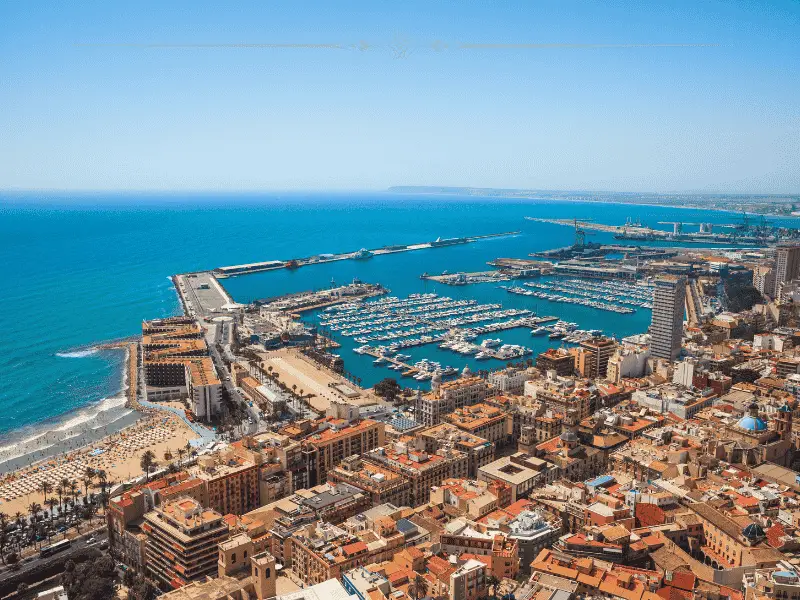
On Spain’s Mediterranean coast, another major city earned recognition for its welcoming atmosphere. Known for its futuristic architecture and paella, this destination combines beach culture with urban sophistication. But what residents want the world to know is that beyond the City of Arts and Sciences and the bustling Central Market, there’s a community that genuinely enjoys welcoming strangers into their social fabric.
Finally, the Andalusian capital rounds out Spain’s impressive showing on this list. This southern city, where flamenco originated and orange trees line the streets, has long been considered one of Spain’s most enchanting destinations. Now it’s clear that the warmth Americans associate with this region isn’t just about the climate—it’s embedded in how locals interact with the visitors who flood their streets, especially during Semana Santa and the April Fair.
Britain’s Unexpected Entries Challenge Stereotypes
For Americans who grew up with cultural stereotypes about British reserve and formality, three UK cities making this list might come as a genuine surprise. The image of the polite but distant Brit doesn’t hold up in certain corners of the kingdom, where locals have reputations for being genuinely outgoing and eager to chat with strangers.
The English seaside destination on the south coast earned its spot through a combination of factors that Americans relocating to the UK have long understood. This city’s large student population, thriving arts scene, and progressive politics create an environment where diversity is celebrated rather than merely tolerated. For American visitors, the experience often feels more immediately welcoming than in London, where the sheer scale of the city can make meaningful local interactions harder to come by.
Across the Irish Sea, Northern Ireland’s capital secured recognition for its friendly population despite—or perhaps because of—its complex history. The city has undergone remarkable transformation in recent decades, and residents seem determined to share their rejuvenated home with visitors. Americans with Irish heritage often find themselves drawn to Belfast, and what they discover is a city where locals are happy to share stories, recommendations, and often their company over a pint.
Scotland’s largest city, known for its sharp wit and working-class roots, completed the UK’s trio of entries. Glaswegians have a reputation throughout Britain for being among the friendliest people in the country, willing to help lost tourists and strike up conversations with complete strangers. For Americans who appreciate straightforward, unpretentious interactions, this Scottish city delivers an experience that feels more approachable than Edinburgh’s sometimes tourist-saturated Old Town.
What Makes a City Truly Welcoming?
The cities that landed on this list share certain characteristics that go beyond simple politeness or efficient tourist infrastructure. What they offer instead is something more valuable and harder to manufacture: genuine communities that remain open to outsiders even as tourism has grown.
Many of these destinations maintain strong neighborhood identities where locals still gather in the same cafes, markets, and public spaces they’ve frequented for years. This creates natural opportunities for visitors to observe and eventually participate in authentic local life rather than existing in a parallel tourist universe of guided tours and hotel restaurants.
The size factor also plays a role. While none of these cities could be called small, neither are they overwhelming metropolises where anonymity is the default. They’re large enough to offer urban amenities and diversity but manageable enough that neighborhood communities remain intact. For Americans coming from sprawling cities where car culture dominates, these walkable European destinations offer a different pace of life where chance encounters and casual conversations happen naturally.
Language accessibility matters too, though perhaps not in the way one might expect. In the Spanish and Portuguese cities on this list, many locals speak at least some English, making initial interactions easier for American visitors. But what’s more important is the patience and good humor residents display when language barriers arise. The willingness to communicate through a combination of words, gestures, and translation apps signals a genuine desire to connect rather than merely tolerate tourists.
Beyond the Tourist Trail
What this survey ultimately reveals is that the most welcoming European cities aren’t necessarily the ones that appear most frequently on Instagram or in guidebooks. Americans planning trips often gravitate toward the same handful of destinations, creating a well-worn circuit that can feel overcrowded and, ironically, less welcoming as a result.
The cities identified in this research offer something different: the chance to experience European culture in places where tourism hasn’t overwhelmed local life. In these destinations, visitors can still discover neighborhood restaurants where they’re the only tourists, strike up conversations with locals who seem genuinely curious about American perspectives, and potentially forge friendships that extend beyond a vacation.
For Americans considering longer stays in Europe—whether for remote work opportunities, sabbaticals, or retirement—these findings offer valuable guidance. Moving to a new country presents enough challenges without adding social isolation to the mix. Choosing a destination where locals genuinely embrace newcomers can transform what might have been a lonely experience into an enriching adventure.
The data also suggests that Americans shouldn’t assume the most famous destinations will provide the most rewarding experiences. While Paris, Rome, and Barcelona certainly have their merits, they also deal with overtourism in ways that can strain the patience of local residents. The cities on this list offer alternatives where visitors can still enjoy rich cultural experiences, excellent food, and beautiful surroundings while feeling genuinely welcomed rather than merely tolerated.
Planning Your Visit
For Americans ready to explore these welcoming destinations, the practical considerations are straightforward. The Portuguese cities offer excellent value compared to much of Western Europe, with accommodation and dining costs significantly lower than in Paris or London. Spain’s cities strike a balance, offering big-city amenities at prices that won’t destroy an American travel budget.
The UK entries present their own advantages for American visitors, particularly the absence of a language barrier and cultural touchstones that feel somewhat familiar. These cities also serve as convenient bases for exploring the broader regions—the Scottish Highlands from Glasgow, coastal Ireland from Belfast, or the rolling hills of Sussex from Brighton.
Timing matters too. While these cities welcome visitors year-round, Americans looking for the warmest reception might consider visiting during shoulder seasons when locals have more time and patience for interactions. Summer brings crowds even to less-famous destinations, while the depths of winter can limit the spontaneous outdoor encounters that often lead to the most memorable local connections.
The survey results ultimately offer American travelers a roadmap to European destinations where they’re most likely to experience genuine hospitality. In a world where authentic travel experiences can feel increasingly elusive, knowing which cities truly embrace visitors rather than simply extract tourist dollars provides valuable insight for planning meaningful trips abroad. Whether you’re booking a week-long vacation or contemplating a year in Europe, these welcoming cities deserve a spot on your itinerary.